Today I’m struggling, and the struggle has me pondering discipline, the only language I knew for a very long time.
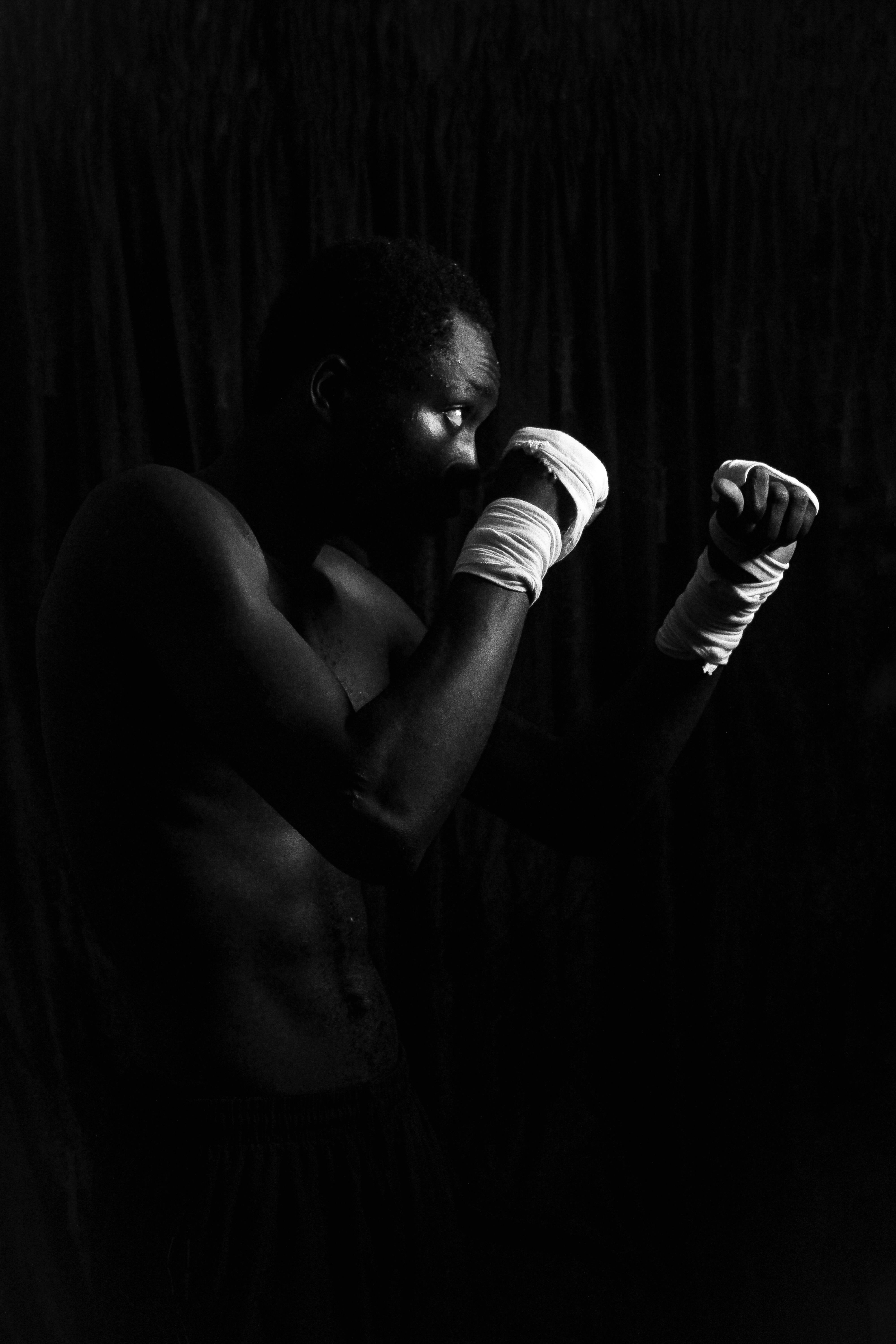
Lately I’ve been seeing countless videos about discipline. Wake up at 5 a.m. Never miss a workout. Keep grinding. Keep producing. Just do it. They speak with such certainty, as though discipline is the highest virtue a person can possess and anyone who struggles simply lacks enough willpower.
Years ago, I probably would have agreed with them. I was that person.
Discipline wasn’t simply something I practiced. It became my identity. I was always striving to be better, to perform, to achieve, to outwork everyone around me. Rest felt like something you earned only after you had exhausted yourself, and even then it often came with guilt. Looking back, I’m not even sure I knew what genuine rest felt like.
But life has a way of dismantling the identities we build around ourselves.
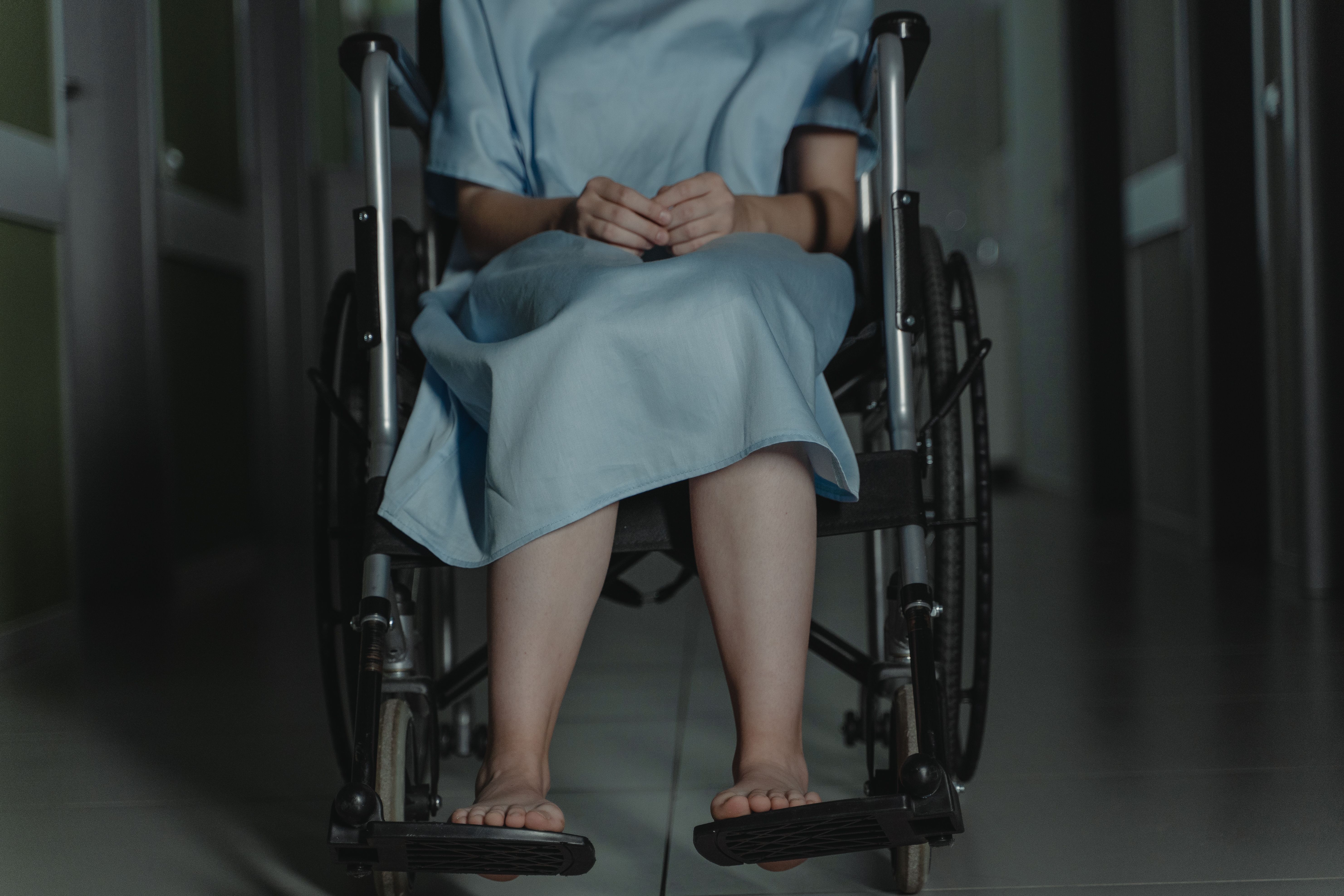
After my concussion, years of navigating the medical system, and ultimately developing protracted withdrawal syndrome from psychiatric medications, discipline no longer looked like chasing goals or checking boxes. Every ounce of energy became directed toward survival. Instead of asking, "How do I get ahead?" my days became consumed with, "How do I get through today without killing myself?"
Ironically, survival demanded a tremendous amount of discipline. Every meal required thought. Every decision had consequences. Every symptom required restraint instead of panic. My world became incredibly small, but it also forced me to confront something I had never questioned before.
What is discipline actually serving?
I think we’ve confused discipline with virtue. We assume that because someone is disciplined, they must also be healthy, wise, or emotionally grounded. But discipline itself is morally neutral. It is simply energy directed toward something. The source is what gives it meaning.
A trauma response can be remarkably disciplined. Hypervigilance is disciplined. Perfectionism is disciplined. People pleasing is disciplined. Obsessive achievement is disciplined. Even survival itself is disciplined. The nervous system becomes incredibly efficient at keeping us alive, even when the very strategies it develops slowly begin destroying us.
From the outside, those behaviors are often praised. We admire the person who never stops, never complains, never misses a deadline, and always performs. But sometimes what looks like strength is simply fear wearing the mask of virtue.
Carl Jung once wrote, "Until you make the unconscious conscious, it will direct your life and you will call it fate." I've thought about that quote a lot over the past few years because I realized much of what I once called ambition wasn't freely chosen. It was driven by something much deeper. If I stopped achieving, I had to sit with parts of myself I didn't yet know how to face. Productivity became a way of outrunning questions I wasn't ready to ask.
Then illness took away my ability to run.
For the first time in my life, I couldn't rely on achievement to tell me who I was. My body simply wouldn't allow it. That left me with a question that no accomplishment could answer. Who am I when I cannot produce?
I don't think I would have ever asked myself that question had my life not fallen apart.
Viktor Frankl wrote that when we can no longer change a situation, we are challenged to change ourselves. I don't read that as an invitation to glorify suffering. I would never romanticize what happened to me or the devastation psychiatric medication injury has caused so many of us. But I do believe suffering has a way of stripping away illusions, and one of mine was believing that my worth was tied to my output.
Today, I still have discipline, but it feels completely different. There is a gentlness to it that never existed before. I still follow a strict diet, not because I'm trying to prove anything, but because it is one way I can care for a body that has endured more than I ever imagined. I continue rehabilitating my nervous system because healing deserves consistency. I advocate because I know what it feels like to believe you are completely alone while living through psych medication harm.
From the outside, my life may still look disciplined. Internally, though, it comes from an entirely different place.
I no longer believe the opposite of discipline is laziness. I think the opposite of unconscious discipline is conscious choice. One is driven by fear. The other is guided by love.
Maybe that is the kind of discipline worth striving for. Not the discipline that teaches us how to push harder, but the discipline that teaches us when to stop pushing, when to listen, and when to care for ourselves with the same commitment we once reserved only for achievement.
I think that may be the highest form of discipline there is...
One Love,
Malissa